Dr. Shinichi Suzuki
Founder of the Mother Tongue—Talent Education Method
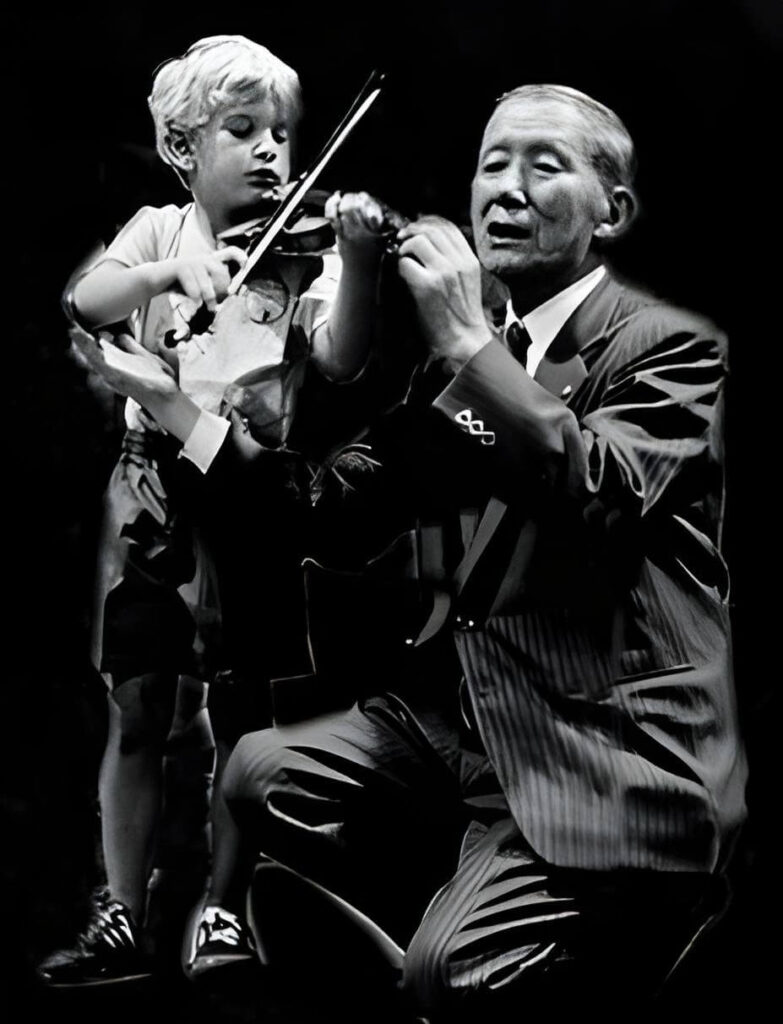
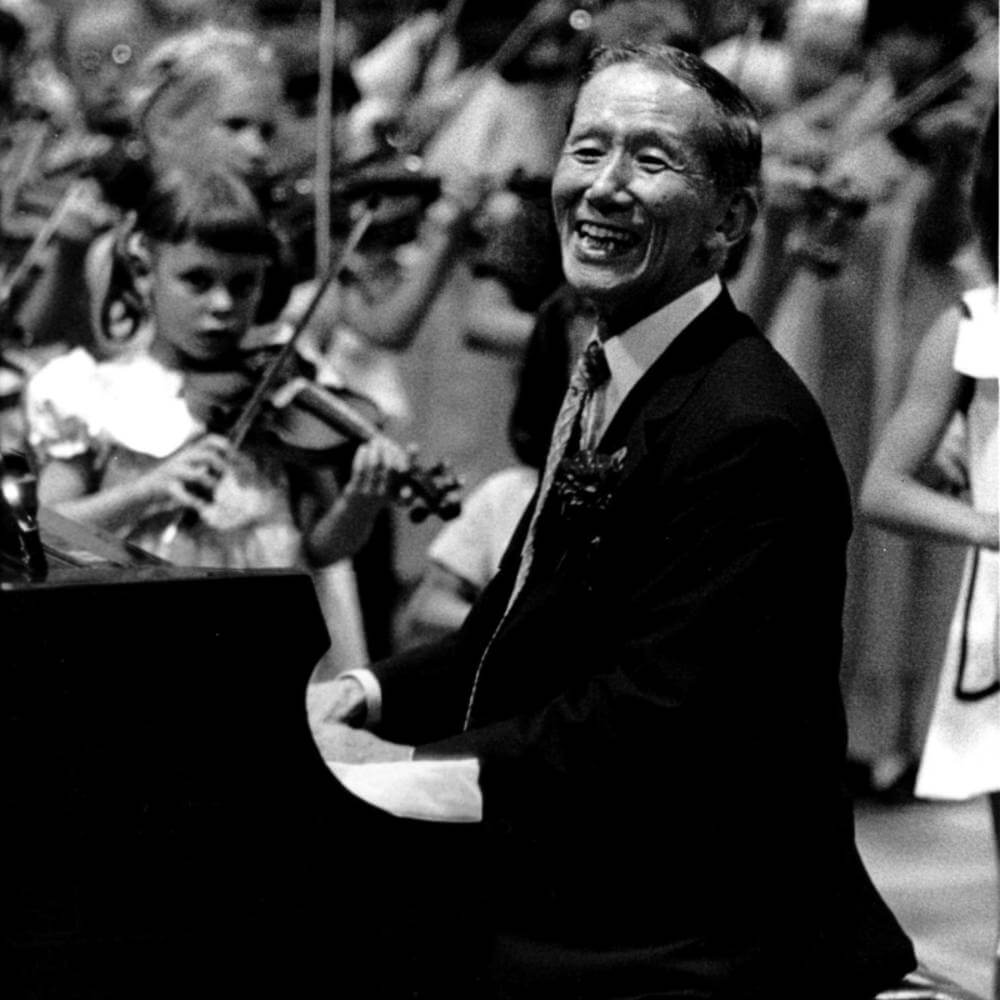
Dr. Shinichi Suzuki (1898-1998) was a Japanese violinist, educator, and philosopher of education whose ideas transformed music teaching around the world. Best known as the founder of what is now called the Suzuki Method, his work reshaped how educators understand talent, learning, and the potential of every child.
Suzuki was born in Nagoya, Japan, the son of a violin manufacturer. Although surrounded by instruments from an early age, he did not begin studying the violin seriously until his late teens. As a young man, he traveled to Germany to study violin performance, where he immersed himself not only in music, but also in European culture, philosophy, and education.
A Defining Encounter: Meeting Albert Einstein
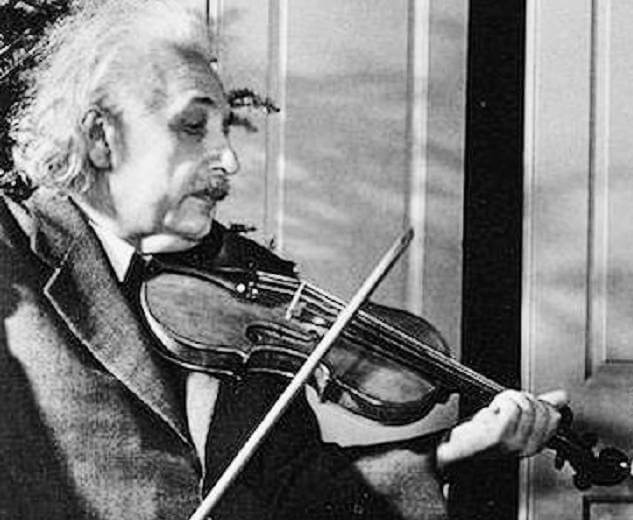
While living in Germany in the 1920s, Suzuki met Albert Einstein, who was not only a groundbreaking physicist but also an amateur violinist with a deep love of music. Einstein frequently hosted informal chamber music gatherings in his home, and Suzuki was invited to participate.
This experience made a lasting impression. Suzuki observed that Einstein’s extraordinary intellectual achievements did not arise in isolation, but were supported by a rich cultural environment—one that included music, curiosity, discipline, and human connection. Seeing Einstein as both a scientist and a musician helped Suzuki recognize something essential: ability is not a mysterious gift possessed by a few, but something that grows through environment and experience.
This insight became a turning point. Suzuki began to ask why children everywhere learn their native language fluently, yet so many are told they lack “talent” in music or other areas. He concluded that the difference lay not in innate ability, but in the conditions surrounding the learner—listening, repetition, encouragement, patience, and love.
The Birth of Talent Education
After returning to Japan, Suzuki devoted his life to education rather than performance. Drawing on the model of language learning, he developed what came to be known as the Mother Tongue Approach—an environment in which children learn music naturally through daily listening, imitation, careful sequencing, and the active involvement of parents.
For Suzuki, music was never the final goal. He believed deeply that the purpose of education is the development of character. Music was a means through which children could cultivate perseverance, confidence, and a greater capacity for happiness.
A Lasting Legacy
What began as a small violin program in postwar Japan grew into a worldwide educational movement encompassing many instruments and cultures. Today, millions of children and families have been shaped by Suzuki’s ideas—not only as musicians, but as learners and human beings.
Dr. Suzuki’s legacy endures because his vision reaches beyond technique and achievement. At its heart is a profound respect for the child, a belief in human potential, and a commitment to nurturing both skill and character through care, patience, and love. We are so thankful to be a part of this rich teaching lineage.